Healthy Cold Coffee Recipes for Beginners
A comprehensive manifesto on cold-extraction kinetics, clean lipid emulsification, and refined home preparations.
Structural Synopsis
- Introduction to Clean Cold Extraction
- The Alchemy of Low-Temperature Brewing
- Nutritional Architecture of the Coffee Bean
- Navigating the Pitfalls of Commercial Iced Coffees
- The Fundamental Toolkit for the Neophyte
- Selecting Beans: Terroir and Roasting Dynamics
- Water Chemistry: The Silent Solvent
- Blueprint 1: The Pristine Overnight Immersion Cold Brew
- Optimizing Grind Size for Controlled Diffusion
- Blueprint 2: The Adaptogenic Coconut Shakerato
- Integrating Mycological Extracts into Cold Infusions
- Blueprint 3: The Golden Turmeric Protein Frappé
- Bioavailability and Lipophilic Nutrient Absorption
- Blueprint 4: The Effervescent Citrus Nitro-Style Tonic
- Carbonation Dynamics and Palatal Acidity
- Blueprint 5: Creamy Cardamom Oat Decoction
- Botanical Synergies for Blood Sugar Homeostasis
- Natural Sweeteners: Glycemic Index Analysis
- Plant Milks: Emulsion Stability and Sensory Viscosity
- Managing Caffeine Pharmacokinetics: Prolonging the Plateau
- Troubleshooting Flavor Flaws in Cold Coffee
- Storage Protocols to Prevent Lipid Oxidation
1. Introduction to Clean Cold Extraction
Cold coffee is often misunderstood as merely hot espresso dumped unceremoniously over fading ice cubes. This crude thermal disruption shocks the delicate aromatic oils, catalyzing rapid oxidation and yielding an astringent, acrid brew. Clean cold extraction operates on an antithetical philosophy. By eliminating high kinetic thermal energy from the equation, we fundamentally redirect the dissolution trajectory of organic compounds housed within the roasted bean matrix.
The outcome is an elixirlike concentrate devoid of bitter thermal degradation products. It provides sustained alertness minus the caustic acidity that challenges sensitive gastrointestinal linings. For the novice, mastering this domain does not require artisanal wizardry. It requires reverence for time, precision of mass, and an understanding of physical extraction phenomena.

2. The Alchemy of Low-Temperature Brewing
Water molecules at ambient or chilled temperatures possess significantly lower kinetic velocity than their boiling counterparts. Consequently, the rate of chemical solubilization decelerates markedly. Hot water rapidly strips chlorogenic acid lactones and hydrolyzes them into quinic and caffeic acids—the precise chemical culprits behind biting bitterness.
Cold dissolution is selective. Hydrophobic, lipophilic constituents remain securely locked within the spent cellulose grounds. What emerges into the aqueous solution is a clean, hyper-smooth profile characterized by lower titratable acidity, rounded chocolate base notes, and delicate, unscorched aromatics.
3. Nutritional Architecture of the Coffee Bean
Beyond its reputation as a pure stimulant vehicle, roasted Coffea arabica is an intricate storehouse of potent phytonutrients. Most prominent among these are polyphenolic antioxidants, specifically 5-caffeoylquinic acid, alongside trigonelline and melanoidins generated throughout the Maillard reaction cascade. Cold extraction preserves specific chlorogenic variants that heat-shocking inevitably dismantles.
These bioavailable compounds work synergistically to attenuate oxidative systemic stress and refine cellular glucose sensitivity. When cold extraction preserves these delicate matrices, the beverage ascends from an inert stimulant into a functionally active, health-optimizing tonic.
4. Navigating the Pitfalls of Commercial Iced Coffees
Modern commercial iced coffee options are often nutritional saboteurs masquerading as functional hydration. An unassuming drive-thru iced drink routinely packs forty to seventy grams of high-fructose corn syrup, refined cane sugars, artificial stabilizer gums, and micro-plastics from pressurized machinery.
These hyper-glycemic admixtures prompt rapid insulin spikes followed by sharp reactive hypoglycemia. The resulting afternoon crash is debilitating. Reclaiming home preparation allows total autonomy over composition, shifting the formula toward nutrient-dense botanical additives, pure healthy fats, and unrefined sweeteners.
5. The Fundamental Toolkit for the Neophyte
Sophisticated lab-grade apparatus is entirely unnecessary. The domestic landscape demands only a few high-utility essentials: a wide-mouth glass carboy or mason vessel, an uncompromising burr grinder that ensures uniform granular geometry, and an inert micro-mesh or organic cotton filtration sieve. Blade grinders must be avoided, as their blunt impact shatters beans into uneven fragments, introducing microscopic fines that muddy the clarity of the cup.
Dynamic Cold Infusion Calculator
Required Ground Coffee: 75.0 grams
Estimated Total Bioactive Caffeine: ~450 mg
Estimated Total Bioactive Caffeine: ~450 mg
6. Selecting Beans: Terroir and Roasting Dynamics
Bean selection dictates organoleptic reality. For cold-water immersion, opting for lighter single-origin African varietals—such as washed Ethiopians or bright Kenyans—unveils astonishing nuances of bergamot, stone fruits, and jasmine. Conversely, full-bodied Central and South American beans yield dense panoramas of cacao, hazelnut, and sweet molasses.
Medium roasts often represent the sweet spot for clean health preparations. They retain abundant chlorogenic antioxidants without veering into the deep pyrolytic carcinogen risks and degraded polycyclic aromatic hydrocarbons (PAHs) sometimes linked with ultra-dark, charred roasts.
7. Water Chemistry: The Silent Solvent
Water constitutes roughly ninety-eight percent of your final cup. Utilizing unfiltered, highly chlorinated tap water introduces volatile halo-compounds and heavy mineral imbalances that bind haphazardly with coffee oils, suppressing the delicate flavors you want to coax out.
Strive for water balanced between 120 and 150 parts per million (PPM) of total dissolved solids. A moderate inclusion of magnesium ions helps draw out bright aromatic acids, while balanced calcium levels preserve rich mouthfeel. Clear water is the pristine canvas upon which the brew is painted.

8. Blueprint 1: The Pristine Overnight Immersion Cold Brew
The classical immersion approach remains the bedrock of cold craft. Simplicity reigns here.
Blueprint 1: Clean Slate Immersion Batch
Time: 16 Hours
Intensity: Low Maintenance
Target: Balanced Stamina
- 80g Specialty Medium-Roast Coffee (Coarse Sea-Salt Grind)
- 800ml Purified Spring Water (Ambient Temp)
- Glass brewing vessel & unbleached natural filter
- Deposit the ground coffee directly into the base of the clean glass vessel.
- Pour in 200ml of water slowly, thoroughly wetting the grounds. Allow them to bloom for 45 seconds.
- Pour in the remaining 600ml using deliberate circular motions to fully submerge the coffee crust.
- Seal tightly and store at a stable room temperature (68°F–72°F) away from direct UV light for 14 to 16 hours.
- Pass through a dual-stage filtration system: first a stainless steel sieve, followed by an unbleached paper filter to capture fine particulate. Chill before serving.
9. Optimizing Grind Size for Controlled Diffusion
Grind morphology dictates diffusion boundaries. Grind too fine, and the overall exposed surface area spikes dramatically, leading to erratic over-extraction even in chilled conditions. The brew turns muddy, astringent, and heavy with suspended solids.
Aim for a crystalline, coarse grind reminiscent of coarse kosher salt or cracked peppercorns. This particle size creates ideal percolation channels, allowing the liquid to move through cleanly and separate from the grounds without lingering chalkiness.
10. Blueprint 2: The Adaptogenic Coconut Shakerato
This formulation combines rapid manual agitation with natural adaptogens and nourishing medium-chain triglycerides (MCTs) to fuel sustained cognitive performance.
Blueprint 2: The Adaptogenic Coconut Shakerato
Time: 3 Minutes
Function: Adrenal Balance & Ketogenic Fuel
Profile: Velvety Froth
- 150ml Pristine Immersion Cold Brew Concentrate (from Blueprint 1)
- 1 tbsp Raw Coconut Cream or Pure C8 MCT Emulsion
- 1/2 tsp High-Purity Dual-Extracted Ashwagandha or Cordyceps Powder
- 1 drop Pure Organic Vanilla Bean Paste
- 3 Large Density Ice Cubes
- Combine the cold brew, adaptogenic mushroom powder, coconut cream, and vanilla inside a heavy-duty cocktail shaker.
- Add ice cubes, seal the container, and shake vigorously for 25 continuous seconds.
- Strain immediately into a chilled coupe glass. An opaque, micro-aerated crema will crown the surface. Drink promptly.
11. Integrating Mycological Extracts into Cold Infusions
Adaptogenic mushrooms—such as Cordyceps militaris, Hericium erinaceus (Lion’s Mane), and Ganoderma lucidum (Reishi)—fuse harmoniously with cold coffee. Cordyceps supports cellular adenosine triphosphate (ATP) resynthesis, matching the energetic lift of caffeine without stressing the adrenals.
Ensure your chosen mycological extracts are derived strictly from 100% whole fruiting bodies rather than grain-grown mycelium. The naturally earthy, wood-grain finish of functional fungi pairs seamlessly with the dark chocolate and dried fruit undertones typical of low-acid cold brews.
12. Blueprint 3: The Golden Turmeric Protein Frappé
A restorative, nutrient-dense blend designed for post-exertion muscular recovery and joint comfort.
Blueprint 3: Golden Anti-Inflammatory Frappé
Time: 4 Minutes
Function: Muscle Repair & Tissue Recovery
Profile: Spiced Silk
- 120ml Cold Brew Base
- 1 scoop Unflavored or Vanilla Hydrolyzed Grass-Fed Whey / Sprouted Fermented Pea Protein
- 1/2 tsp Organic Ground Turmeric Root (Standardized Curcumin)
- A tiny pinch of Black Pepper (Piperine activator)
- 150ml Unsweetened Pure Almond Milk
- 1/2 cup Crushed Ice
- Layer all ingredients into a high-speed blender container, placing liquids first, then powders, followed by ice.
- Pulse on low speed to integrate dry compounds, then ramp to high for 35 seconds until texture is silky and uniform.
- Pour into a tall glass and enjoy within 15 minutes to take full advantage of the airy, suspended emulsion.
13. Bioavailability and Lipophilic Nutrient Absorption
Curcumin and fat-soluble coffee micronutrients are naturally lipophilic; their physiological absorption is limited when consumed solely in aqueous matrices. The inclusion of piperine from black pepper inhibits intestinal glucuronidation, amplifying curcumin's bioavailability by up to two thousand percent.
Pairing these botanical constituents with the healthy lipids found in nut milks or grass-fed whey turns a simple cold beverage into an efficient, sustained delivery system for functional nutrients.
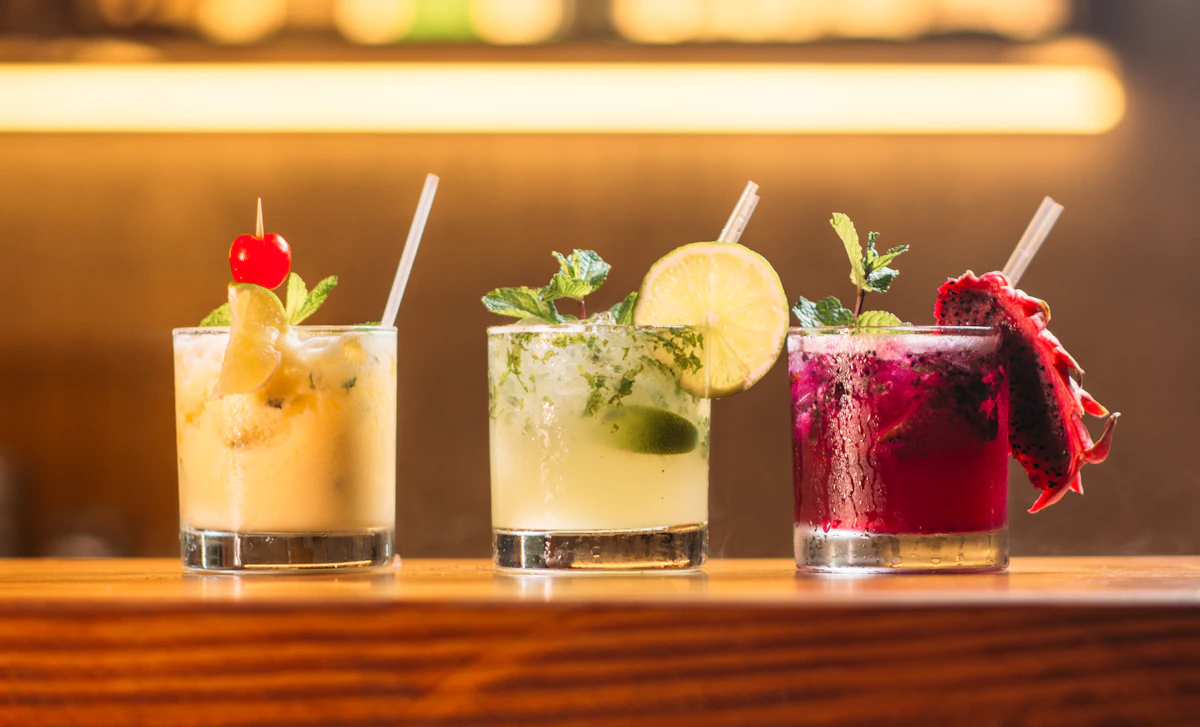
14. Blueprint 4: The Effervescent Citrus Nitro-Style Tonic
Light, sparkling, and refreshing, this drink marries crisp acidity with deep, roasted notes—an energizing antidote to midday sluggishness.
Blueprint 4: Effervescent Citrus Nitro-Style Tonic
Time: 2 Minutes
Function: Crisp Palate Refreshment
Profile: Bright & Sparkly
- 100ml Cold Brew Concentrate
- 120ml Unflavored Sparkling Mineral Water (High carbonation)
- A thin wheel of Fresh Organic Grapefruit or Meyer Lemon
- 1 Sprig Fresh Crushed Rosemary (releases α-pinene terpenes)
- Dense Ice Cubes
- Fill a highball glass to the brim with dense, crystal-clear ice cubes.
- Pour in the sparkling mineral water first to prime the carbonation matrix.
- Gently tilt the glass and float the cold brew concentrate over the surface using the back of a bar spoon to create a two-toned visual effect.
- Gently bruise the rosemary between your palms to express its aromatic oils. Place it on top of the glass alongside the citrus wheel. Serve without stirring.
15. Carbonation Dynamics and Palatal Acidity
Carbonic acid ($H_2CO_3$) forms when dissolved carbon dioxide meets water. This fleeting fizz interacts with the tongue's acid-sensing ion channels, delivering a crisp, sharp sensation that lifts the heavier chocolate undertones of cold coffee.
The result is a buoyant, light-bodied beverage that stimulates digestion without needing heavy milk additions or syrupy sweeteners.
16. Blueprint 5: Creamy Cardamom Oat Decoction
Drawing inspiration from Middle Eastern coffee rituals, this recipe utilizes low-temperature spices to deliver cozy, aromatic complexity.
Blueprint 5: Creamy Cardamom Oat Decoction
Time: 5 Minutes
Function: Soothing Digestion
Profile: Aromatic & Creamy
- 150ml Immersion Cold Brew
- 100ml Pure Whole-Grain Oat Milk (Sugar-Free, Stabilizer-Free)
- 3 Whole Green Cardamom Pods (Cracked open)
- 1 tiny dash Ceylon Cinnamon
- 1 tsp 100% Pure Grade-A Dark Maple Syrup (Low Glycemic load)
- Using a mortar and pestle, crack open the cardamom pods and grind the inner black seeds into a fine, fragrant powder.
- Whisk the freshly ground cardamom, Ceylon cinnamon, and maple syrup into the oat milk until thoroughly blended.
- Pour the spiced oat milk over ice, gently stir in the cold brew, and finish with a dusting of cinnamon over the surface.
17. Botanical Synergies for Blood Sugar Homeostasis
Ceylon Cinnamon (Cinnamomum verum) is a celebrated botanical companion. It contains methyl hydroxychalcone polymers, which help mimic insulin activity and support cellular glucose uptake.
Cardamom brings its own complementary digestive support, easing stomach tension and neutralizing any residual bitterness. These ancient spices transform the brew into a balanced, comforting, and metabolic-friendly ritual.
18. Natural Sweeteners: Glycemic Index Analysis
Commercial sweeteners like refined sucrose and high-fructose syrups trigger rapid insulin surges that disrupt focus. We want to avoid these sharp spikes by choosing alternatives with a gentler metabolic impact.
| Sweetener Compound | Glycemic Index (GI) | Primary Bioactive Profile | Optimal Flavor Pairing |
|---|---|---|---|
| 100% Raw Monk Fruit (Luo Han Guo) | 0 | Mogrosides (Antioxidant non-nutritive) | Citrus Tonics, Bright Cold Brews |
| Pure Organic Stevia Leaf (Water Extracted) | 0 | Steviol Glycosides (Rebaudioside-A) | Herbal, Adaptogenic Elixirs |
| Grade-A Pure Maple Syrup | 54 | Quebecol, Manganese, Zinc | Spiced Cardamom, Oat Preparations |
| Raw Artisanal Honey (Unpasteurized) | 50 | Amylase, Propolis, Pollen | Smooth Frappés, Nut-Milk Blends |
| Refined High Fructose Corn Syrup | 85+ | None (Depleted Nutrients) | Avoid completely |
19. Plant Milks: Emulsion Stability and Sensory Viscosity
Not every plant milk behaves gracefully in cold, slightly acidic coffee. Store-bought nut milks packed with industrial binders like carrageenan, guar, or gellan gum can separate awkwardly or lend an unnatural mouthfeel.
For best results, look for clean plant milks made simply with water, salt, and the base ingredient—or blend your own at home. Raw cashew and oat milks naturally excel here, offering velvety fats that integrate smoothly without clumping or masking delicate coffee nuances.
20. Managing Caffeine Pharmacokinetics: Prolonging the Plateau
Consumed in a simple hot liquid, caffeine absorbs quickly in the stomach and duodenum, leading to a sudden peak in systemic plasma concentrations within forty-five minutes. This steep surge can trigger jitters, cardiac flutter, and nervous tension.
Slowing this absorption curve is straightforward. Introducing clean fats (like MCTs or coconut cream) and gentle, slowly digested carbohydrates creates an emulsion phase in the stomach. Caffeine is released more gradually into circulation, delivering steady, focused energy over hours rather than an abrupt spike and crash.
21. Troubleshooting Flavor Flaws in Cold Coffee
If your cold brew tastes hollow, medicinal, or unpleasantly sour, the culprit is almost certainly under-extraction—either the water was too cold, or the brewing window was cut too short. Extend your immersion time by two to four hours, or dial your burr grinder one setting finer.
Conversely, if the cup finishes with an astringent, drying mouthfeel, you are likely dealing with over-extraction from microscopic coffee dust. Try using a slightly coarser grind setting and pouring your brew through a clean, damp paper filter to capture fine particles.
22. Storage Protocols to Prevent Lipid Oxidation
Even in the cold, coffee is an organic product rich in volatile aromatics and delicate lipids that will degrade when exposed to heat, light, and oxygen. Storing a pitcher uncovered in a refrigerator invites oxidation, producing an unpleasant "refrigerator taste" within a couple of days.
Store your finished concentrate in an airtight, non-reactive glass vessel (such as an amber or cobalt swing-top bottle) filled close to the top to minimize oxygen headspace. Kept chilled and sealed, it will hold its sweet, balanced profile for up to seven to ten days without loss of flavor clarity.
Comments
Post a Comment