Southern Style Sweet Tea with Lemon Recipe Southern Style Sweet Tea with Lemon Recipe The Quintessential Elixir of Southern Hospitality — Brewed Cold, Sweetened Generously, and Brightened with Citrus Classic Southern sweet tea with fresh lemon wheels — served ice-cold on a summer porch. Outline Introduction to Southern Sweet Tea Culture Why Sweet Tea is More Than a Beverage in the South The Role of Lemon in Balancing Saccharine Notes Historical Origins and Cultural Significance From British Tea Traditions to Southern Hospitality Evolution of Iced Tea in 19th Century America Understanding the Core Components Selecting the Right Black Tea: Orange Pekoe vs. Pekoe Cut The Science of Sweetness: Granulated Sugar vs. Alternative Sweeteners Lemon Selection: Eureka, Lisbon, and Meyer Varieties Water Quality and Its Gustatory Impact Essential Equipment and Mise en Place Teaware, Pitchers, and Non-Reactive Vessels Thermometry and Timing In...
The Tangled Genesis of Iced Tea Lemonade: Heritage, Myth, and the King of the Links
on
Get link
Facebook
X
Pinterest
Email
Other Apps
The Tangled Genesis of Iced Tea Lemonade: Heritage, Myth, and the King of the Links
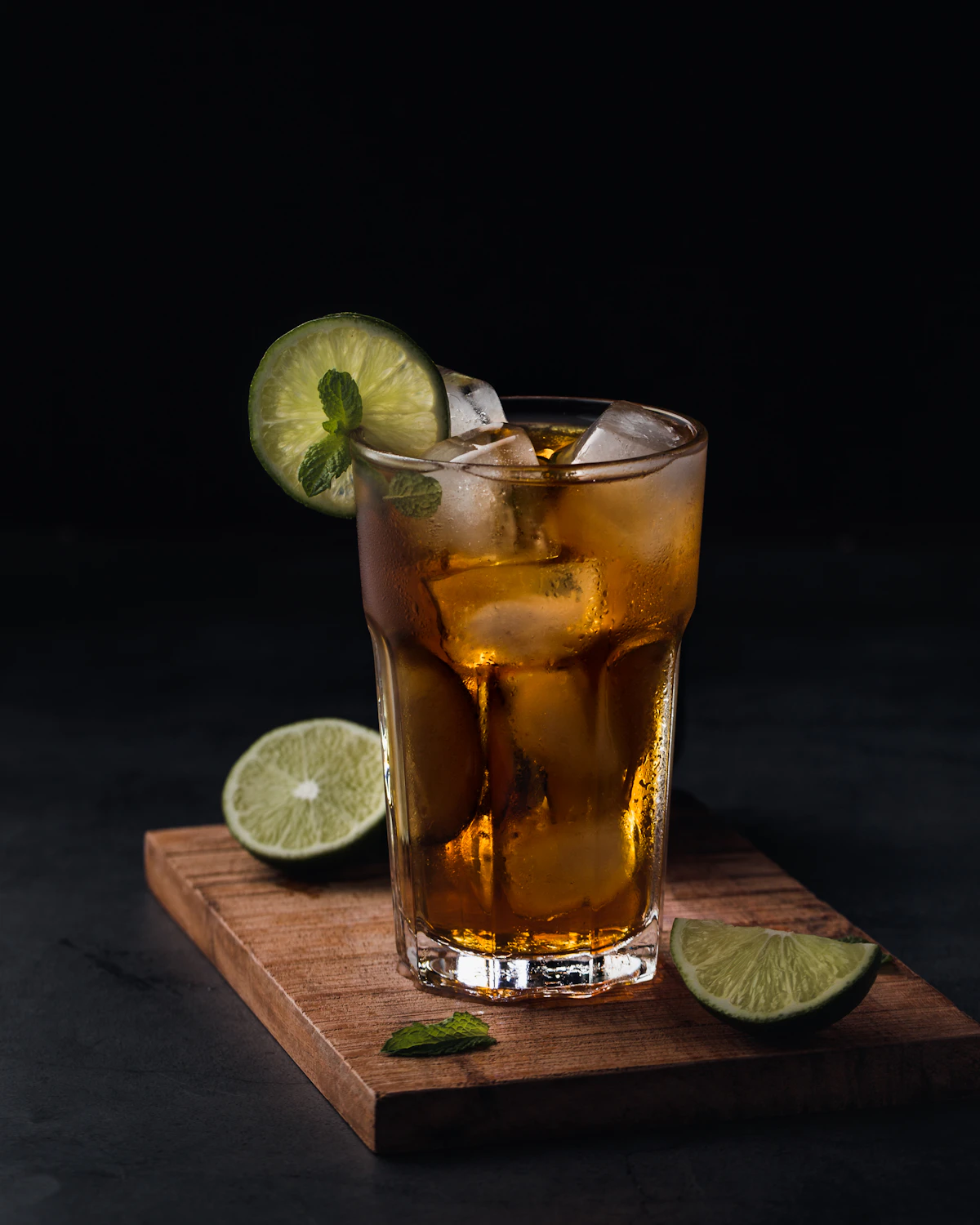
A crystalline glass of iced tea and lemonade, balanced by citric sharpness and rich tannins .
1. Introduction: The Symbiosis of Citrus and Camellia Sinensis
1.1 The Ubiquity of the Half-and-Half Quaff
Few beverages occupy such an unassuming yet venerated position in modern food culture as iced tea lemonade. It is ubiquitous. You find it at dust-blown highway diners, sun-dappled clubhouse terraces, and Michelin-starred garden bistros. The concoction relies on simple elements: brewed black tea, fresh lemon juice, water, and sugar. Yet, the unison produces an organoleptic harmony that defies its humble components.
The drink provides immediate respite against oppressive summer heat. It bridges the gap between pure hydration and deliberate indulgence. Across convenience store refrigerated aisles and artisanal menus alike, this composite beverage maintains an unyielding grip on the culinary landscape. It manages to feel both nostalgic and evergreen.
1.2 Defining the Modern Classic
At its core, the blend represents an equilibrium of sensory contrasts. Tea provides the structural base, offering tannic backbone, earthy depth, and botanical bitterness. Lemonade injects vivid brightness, citric bite, and mitigating sweetness. When these two preparations converge, they temper each other's extremes. The astringency of the tea curbs the cloying potential of excessive sucrose, while the bright citric acid lifts the vegetal, occasionally leathery notes of oxidized tea leaves.
The result is neither purely tea nor simply fruit punch. It is an entirely distinct category of liquid refreshment. Its enduring popularity stems from its absolute drinkability.
2. The Legend of the Links: Arnold Palmer’s Signature Concoction
The pastoral landscape of mid-century professional golf, the backdrop for an accidental cultural phenomenon.
2.1 The Mythos of the 1960 U.S. Open at Cherry Hills
The mainstream cultural attribution of iced tea lemonade belongs almost entirely to the legendary American golfer Arnold Palmer. The prevailing narrative traces the genesis of the modern name to the year 1960 at Cherry Hills Country Club in Englewood, Colorado. Palmer was in the midst of an astonishing, historic come-from-behind victory at the U.S. Open. He mounted a final-round 65 to erase a seven-stroke deficit.
Between rounds, exhausted by the altitude and the dry summer air, Palmer retreated to the dining quarters. He routinely requested that the kitchen blend unsweetened brewed tea with a smaller measure of tart lemonade. For Palmer, the blend was personal ritual, not public theater.
2.2 Palmer’s Exact Gustatory Ratio: The Tea Dominance
Modern commercial iterations often lean toward a symmetrical 50/50 division. Palmer himself vehemently rejected this proportion. According to his personal accounts, preserved in audio and video interviews throughout his later years, his ratio leaned heavily toward tea dominance.
Palmer dictated a blend that was approximately three parts unsweetened iced tea to one part lemonade—roughly seventy-five percent black tea to twenty-five percent lemonade. The lemonade was meant to function strictly as an accent, an acidic condiment to brighten the brew, rather than an equal partner. He preferred a drink that was dry, tannic, and only mildly sweet. Commercial versions that tilt into syrupy excess would have struck the champion golfer as an imbalance.
2.3 The Palm Springs Diner Epiphany
The transformation of Palmer’s private habit into an eponym occurred not on a golf course, but in a restaurant in Palm Springs, California, in the late 1960s. Palmer had spent a long afternoon designing a golf course under a punishing desert sun. He stopped at a local diner for lunch and ordered his customary bespoke mixture: a tall glass of iced tea with a heavy splash of lemonade.
A woman seated at an adjacent table overheard the peculiar request. Intrigued, she caught the waitstaff’s attention and proclaimed, "I'll have that Palmer drink." She wanted the same thing the golf hero was drinking. With that singular, spontaneous order, a beverage earned its moniker, and an everyday habit became culinary canon.
3. Antecedents: Pre-Palmer Blends and Historical Precedents
3.1 Victorian Chilled Punches and 19th-Century Culinary Manuals
While Palmer solidified the drink’s position in twentieth-century pop culture, he did not invent the physical mixture of tea and citrus. Culinary historians trace the pairing back deep into the nineteenth century, long before Palmer picked up a club. Chilled tea punches were popular throughout the Victorian era as cooling cordials for high society.
In historical documents such as Mrs. Mary Lincoln’s Boston Cook Book (1884) and the influential writings of Fannie Farmer, recipes appeared advising home cooks to combine cold steeped tea with lemon rinds, expressed lemon juice, and clarified sugar syrups. These early concoctions were often served in crystal bowls over large blocks of pond-harvested ice, acting as communal centerpieces for domestic entertaining.
3.2 Southern Hospitality and Citrus-Infused Brews
Throughout the American South, the convergence of iced tea and citrus was an organic inevitability. As ice became commercially accessible below the Mason-Dixon line in the late nineteenth century, sweet iced tea developed into a cultural bedrock. Lemons were a natural accompaniment.
Homemakers across Georgia, the Carolinas, and Alabama routinely preserved lemons in sugar to create concentrated lemon syrups, which were subsequently stirred into freshly steeped black tea. Long before golf clubs embraced the drink, church socials and porch gatherings featured broad glass pitchers filled with tea leaves and lemon juice. The practice was so routine that it rarely commanded a formal proprietary title; it was simply how one prepared a refreshing summer brew.
Fresh citrus has complemented brewed infusions across global tea-drinking traditions for centuries.
3.3 The Russian Influence: Tea with Lemon as a Global Precursor
The affinity between black tea and lemon juice also has deep roots in Eastern European tea culture. The Russian tradition of serving hot tea po-russki—frequently brewed as a dark concentrate from a samovar and served in fine glassware—relied on a thin wheel of fresh lemon to cut through heavy, smoky leaves like caravan blends or overland teas.
As Russian and Eastern European immigrants arrived in the United States throughout the late nineteenth and early twentieth centuries, they carried these sensory preferences with them. Translating the habit of squeezing lemon into hot tea into the American affinity for chilled, iced drinks was a simple, logical adaptation. The pairing crossed cultural borders long before it reached mid-century clubhouses.
4. The Science of the Palate: Why Tannins and Acidity Align
4.1 Deconstructing Astringency and Citric Counterpoints
The union of iced tea and lemonade is chemically sound. Black tea contains high concentrations of polyphenols, particularly theaflavins and thearubigins, which produce an astringent mouthfeel. These polyphenols bind to salivary proline-rich proteins, causing them to precipitate. This yields that distinctive drying sensation on the tongue.
Citric acid, the primary organic acid in lemon juice, prompts instantaneous salivation. When citric acid meets tea polyphenols, it counters the drying impact of the tannins. The result is a pleasant tension: the astringency reins in the sharpness of the lemon, while the acid keeps the palate hydrated. It is an organic balancing act.
4.2 The Role of Sweetness in Sensory Balance
Sucrose serves as the thermodynamic and sensory mediator within this mixture. Without sugar, the mixture of high-tannin tea and unbuffered lemon juice would be aggressively tart and unpalatably harsh. The sugar does not merely sweeten; it coats the tongue and rounds off sharp flavor peaks.
This balance creates a multidimensional flavor curve. The immediate sip delivers bright, acidic lemon. The mid-palate perceives smooth sweetness, and the finish closes on the deep, grounding, tannic notes of the tea. It is a complete cycle of sensory stimulation.
5. The Cultural Metamorphosis: From Clubhouse Secret to Worldwide Phenomenon
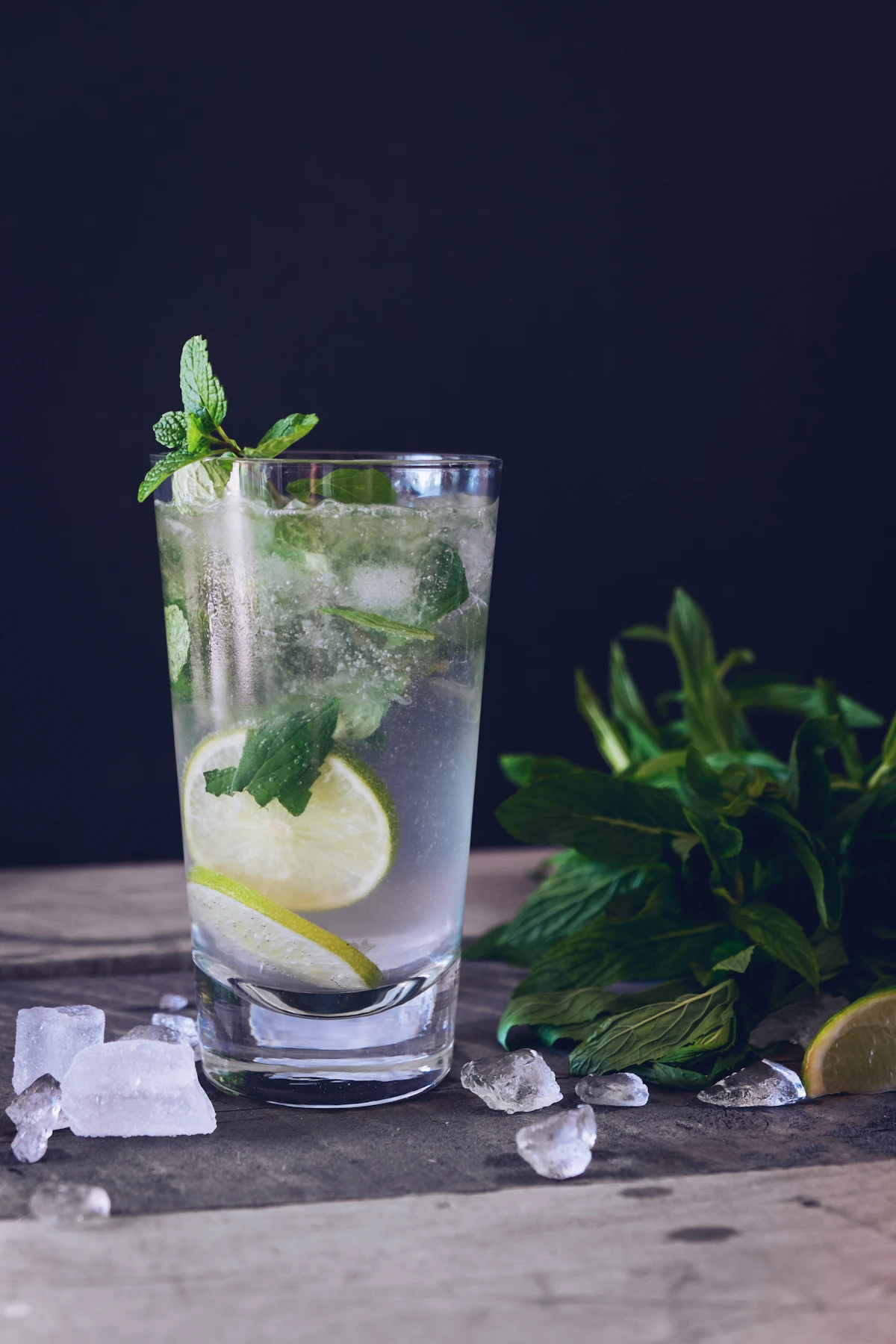
Condensation-beaded glassware, long associated with the classic clubhouse cooler.
5.1 Augusta National Whispers and Word-of-Mouth Spread
During the 1960s and 1970s, Arnold Palmer was one of the most visible cultural figures in sports. His dedicated fan base, dubbed "Arnie's Army," paid close attention to his personal tastes. When Palmer ordered his signature blend at prestigious venues like Augusta National Golf Club, bartenders and patrons took note.
The drink spread via word-of-mouth. Country clubs across the United States soon recognized the shorthand. Ordering an "Arnold Palmer" signaled golf literacy and cultural awareness. It was an insider handshake ordered from a cocktail napkin.
5.2 Trademarking an Everyday Formulation
As the moniker cemented itself in the American vernacular, Palmer’s business management team, led by Mark McCormack and the International Management Group (IMG), recognized an exceptional intellectual property opportunity. They set out to secure trademarks around Palmer’s name specifically for liquid refreshments.
This presented a rare legal and commercial dynamic: protecting a proprietary brand built on a mixture that was already widely prepared at home. By trademarking the connection between Palmer's name, likeness, and the specific tea-lemonade formulation, Palmer’s team turned a common preference into an exceptionally valuable commercial asset.
5.3 The AriZona Beverage Company Masterstroke
The turning point for the beverage's global reach occurred in the early 2000s. In 2001, the Arnold Palmer Enterprises team partnered with the AriZona Beverage Company, known for its distinctive tall cans. AriZona began canning the mixture under the official label: "Arnold Palmer Half & Half."
The product was an immediate commercial success. Packaged in dramatic 23-ounce cans featuring Palmer’s signature and vintage golf photography, it brought the clubhouse drink to everyday convenience stores. It made the beverage accessible to millions who had never set foot on a fairway, cementing Palmer's name as synonymous with the drink itself.
6. Regional Vernaculars and Alter Egos
6.1 The "Half & Half" Nomenclature Across the American South
Despite Palmer’s widespread fame, regions with deep culinary identities resisted the golfer-centric name. In parts of the American South, and particularly in cities like Baltimore, Maryland, the drink has always been ordered as a "Half & Half."
In Maryland, the local tea purveyor Cloverland Greenspring Dairy bottled a popular "Half and Half" product decades ago. Southern diners often bristled at the idea that a sports figure had originated their everyday porch drink. To this day, asking for a "Half & Half" in these regions will earn you an iced tea lemonade, without any reference to the golfing legend.
6.2 The Spirited Subversion: The "John Daly" Cocktail
Where there is a popular non-alcoholic drink, an alcoholic version inevitably follows. Enter John Daly, the flamboyant, heavy-hitting golf sensation of the 1990s. Daly’s hard-living lifestyle stood in direct contrast to Palmer’s polished corporate image.
Bartenders soon spiked the traditional iced tea lemonade with a generous pour of vodka, dubbing the cocktail "The John Daly." It was a clever, slightly rebellious nod to both players. The cocktail became an instant hit at nineteen-hole bars, acknowledging the sport's history while adding a mischievous twist.
6.3 Global Iterations: Variations Across Continents
Beyond North America, the union of tea and lemon manifests in regional styles across the globe. In Germany and Austria, ready-to-drink bottled iced teas have long leaned heavily toward lemon infusions (Zitronentee), though they are often carbonated to match local preferences.
In Hong Kong, traditional Cha Chaan Teng cafes serve Dong Ling Cha (iced lemon tea). This features strong, boiled Ceylon black tea poured over ice with crushed fresh lemon slices, sweetened with rich simple syrup. The underlying mechanics are universal: people around the world find that black tea simply tastes better with citrus.
7. Mastering the Extraction: Crafting the Definitive Batch
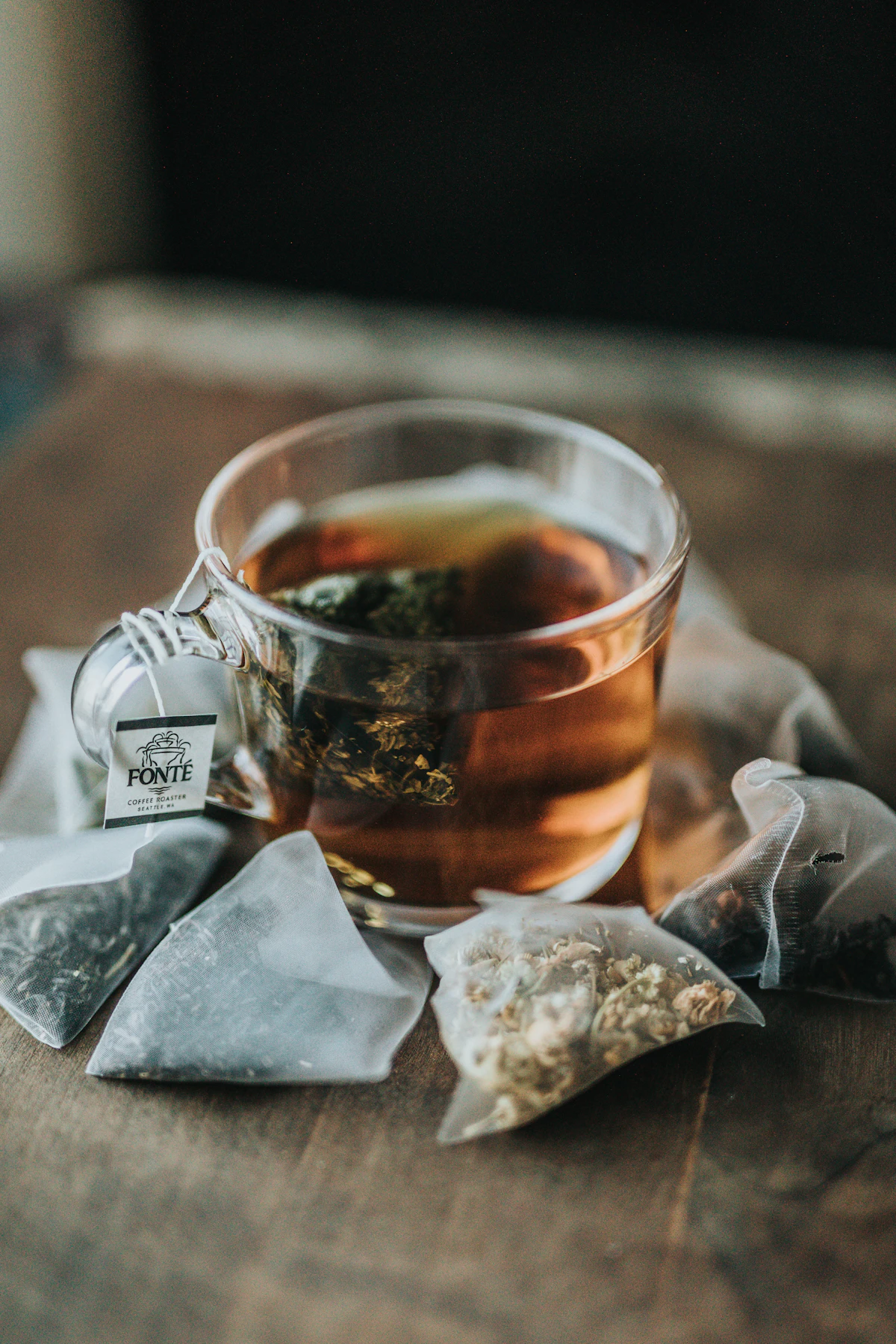
Precise extraction methods yield the clean, astringent foundation needed to support citrus oils.
7.1 Curating the Botanicals: Selecting the Optimal Tea Base
Crafting a superior iced tea lemonade begins with selecting the appropriate tea leaves. Delicate white or subtle green teas will quickly be overwhelmed by the intense acidity of the lemon. Strong, oxidized black teas are essential.
A blend of high-grown Ceylon for brisk acidity and Assam for malty richness provides an ideal foundation. The Ceylon echoes the lemon's sharpness, while the Assam contributes the structural weight necessary to keep the drink from tasting thin. Using high-quality loose leaf tea, rather than low-grade dust, prevents the mixture from turning murky when chilled.
7.2 The Chemistry of Lemonade: Oleo-Saccharum vs. Fresh Squeeze
Most commercial preparations use simple reconstituted lemon concentrate, which yields a flat, purely acidic taste. To build a richer drink, skilled beverage directors turn to oleo-saccharum—an old bartending technique that extracts essential citrus oils using sugar.
By muddling lemon peels with sugar and letting them rest, the hygroscopic sugar draws out volatile terpenes like limonene and citral. Combining this oil-rich citrus sugar with freshly squeezed, strained lemon juice produces a lemonade with aromatic depth and textural body. It elevates the final blend far above standard store-bought syrups.
7.3 Thermal Shock vs. Cold Steeping: Preserving Volatile Aromas
How you cool hot tea directly affects its final flavor and appearance. Pouring warm tea directly over ice quickly dilutes the brew and causes tannins and caffeine to bond into a cloudy precipitate. This cloudiness looks unappealing and mutes the tea's natural flavor notes.
The solution is cold-steeping the tea leaves in the refrigerator for twelve hours, or brewing a double-strength concentrate that is rapidly chilled using an external ice bath. This process locks in volatile aromatic compounds, maintains clarity, and produces a vibrant base ready to blend with fresh lemonade.
8. Conclusion: An Unclaimed Invention Immortalized by an Icon
8.1 The Dichotomy of Creation Versus Popularization
Who, then, truly invented iced tea lemonade? If invention is defined by the first hand to bring citrus, sugar, and brewed tea together, the credit belongs to nameless home cooks and Victorian hosts of the nineteenth century. The chemistry of the blend was discovered and enjoyed long before Arnold Palmer was born.
However, if culinary invention includes defining a ratio, establishing cultural identity, and popularizing a drink globally, Arnold Palmer earned his place in beverage history. He did not create the ingredients, but he gave the mixture its identity.
8.2 The Enduring Legacy of Chilled Refreshment
In the end, iced tea lemonade transcends disputes over historical origin. It remains a fixture of American culinary design: functional, bright, and universally appealing. Whether you call it a Half & Half, an Arnold Palmer, or simply iced tea with lemon, the pairing remains enduringly refreshing.


Comments
Post a Comment